 English
 العربية
 中文語言
中文語言
 हिंदी भाषा
 हespañol
 русский
 Português
 Le français
 Deutsch
 ภาษาไทย
 Português
 日本語
日本語

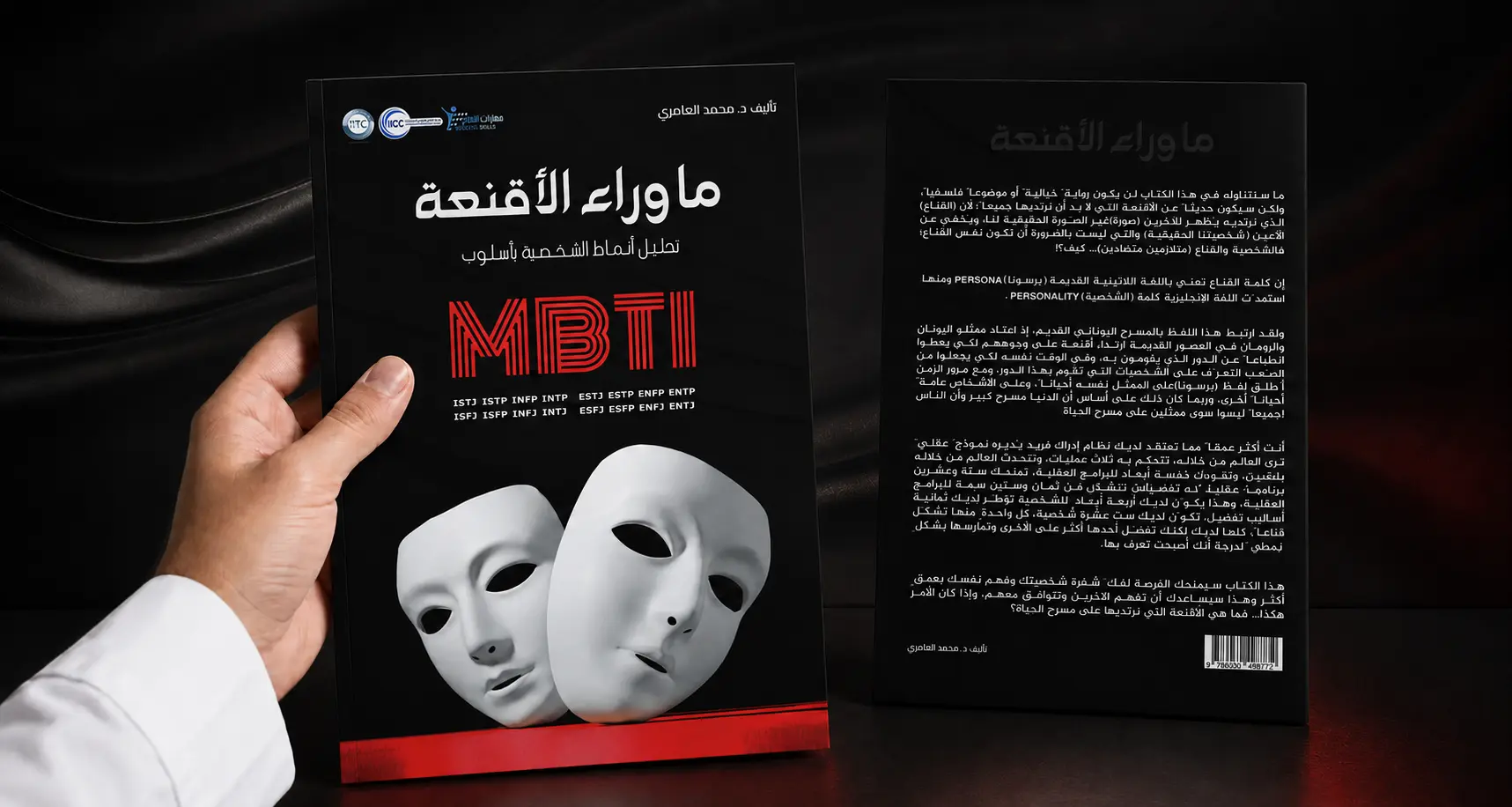
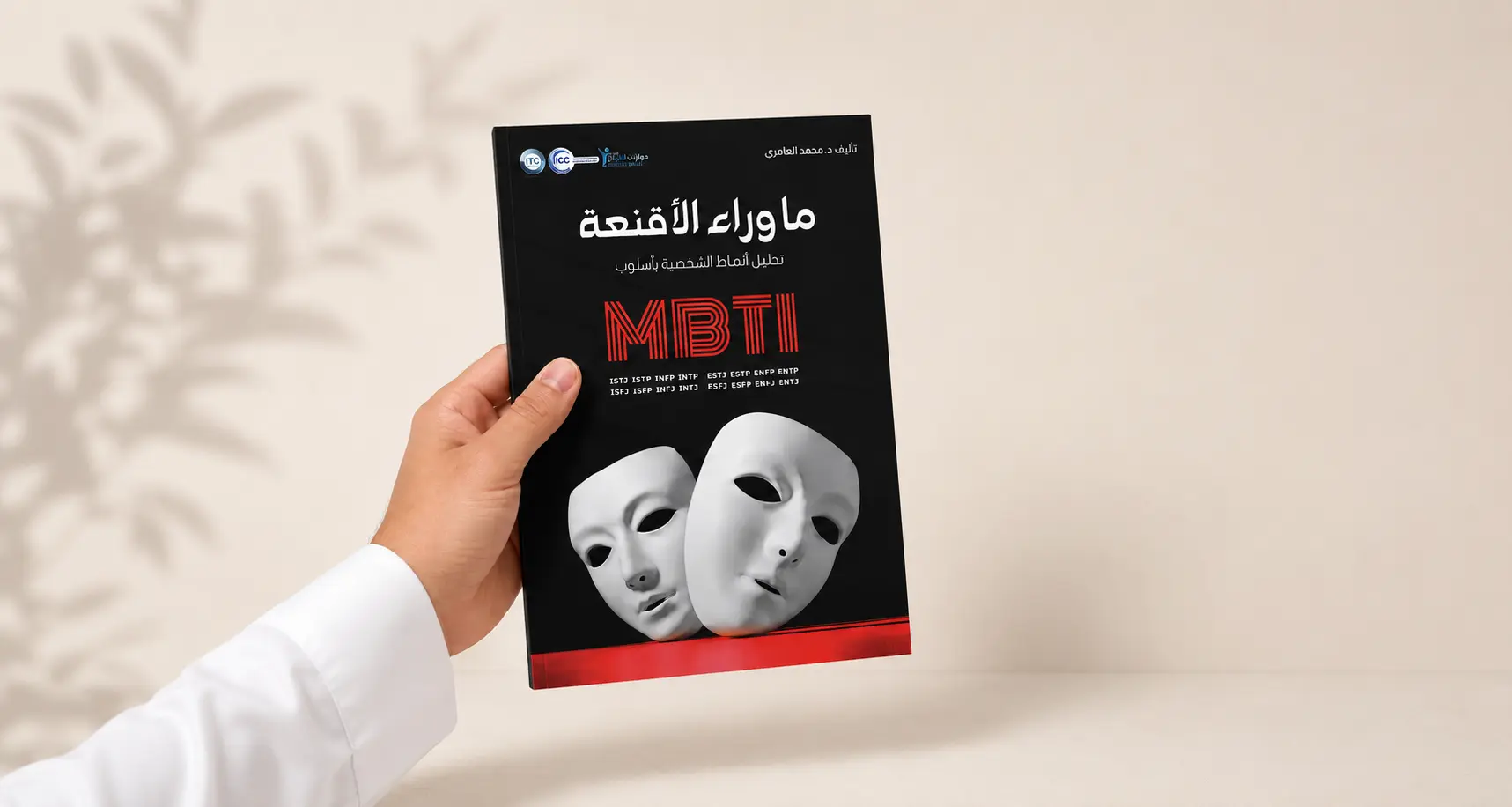
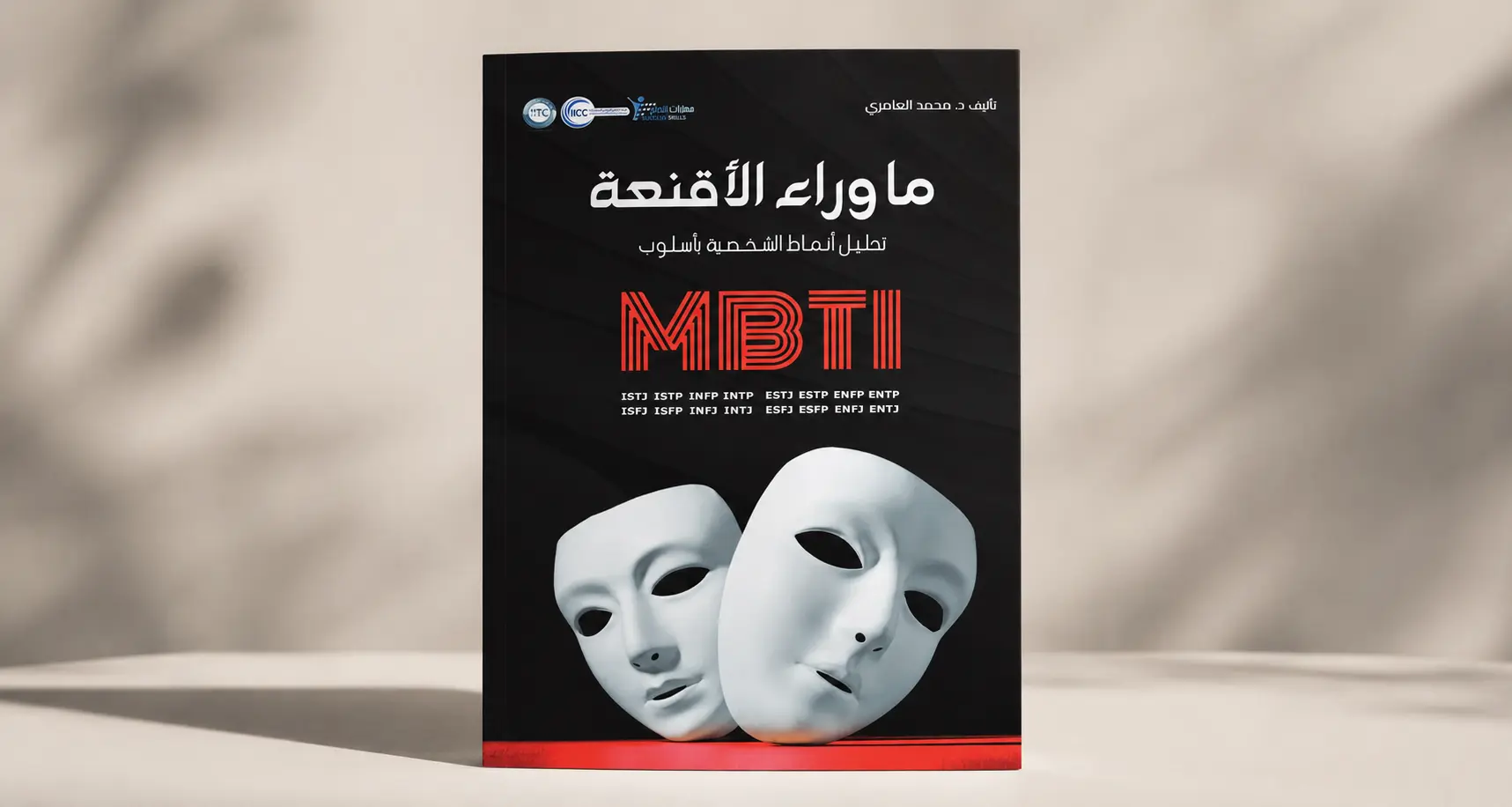
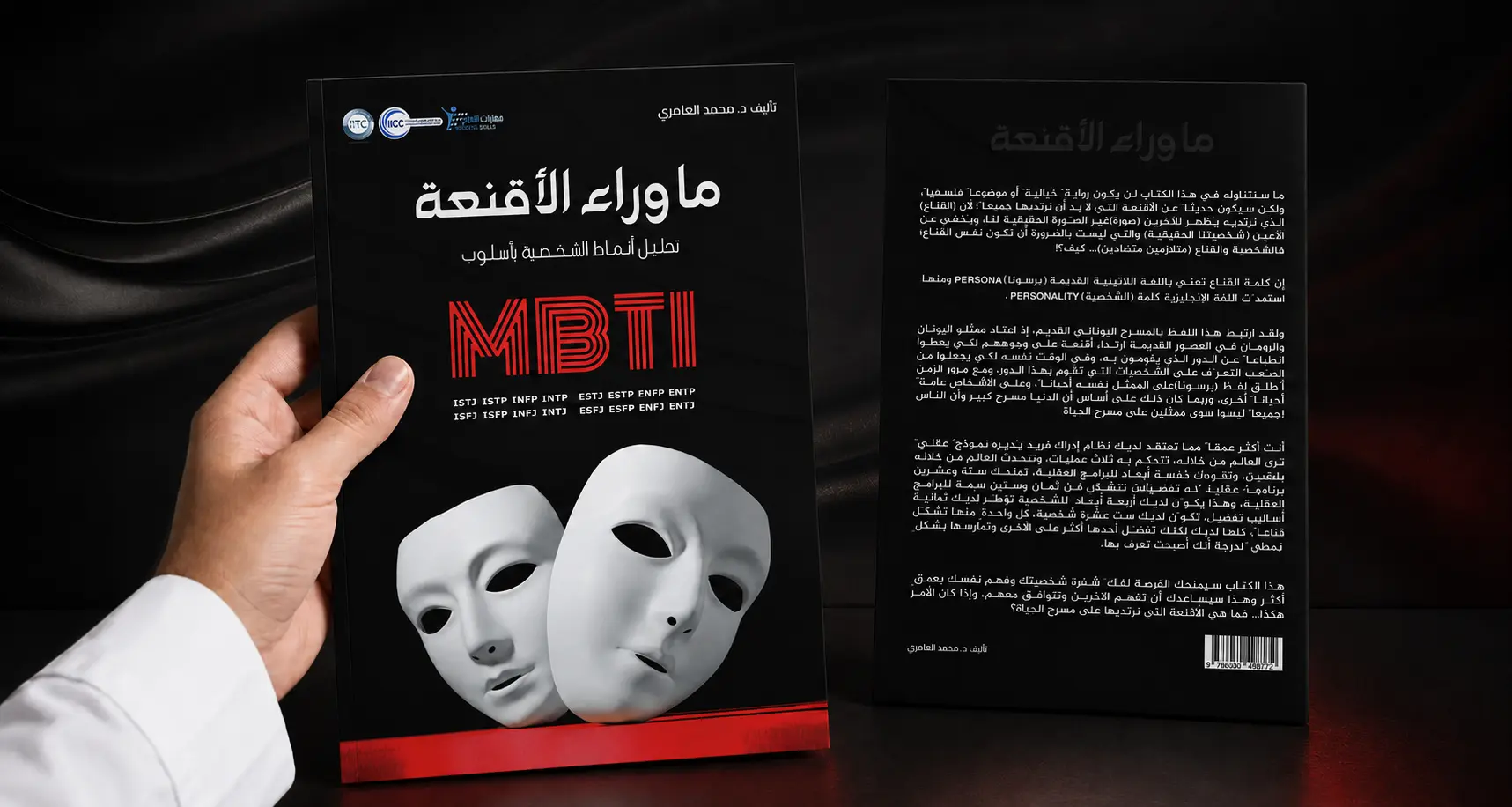
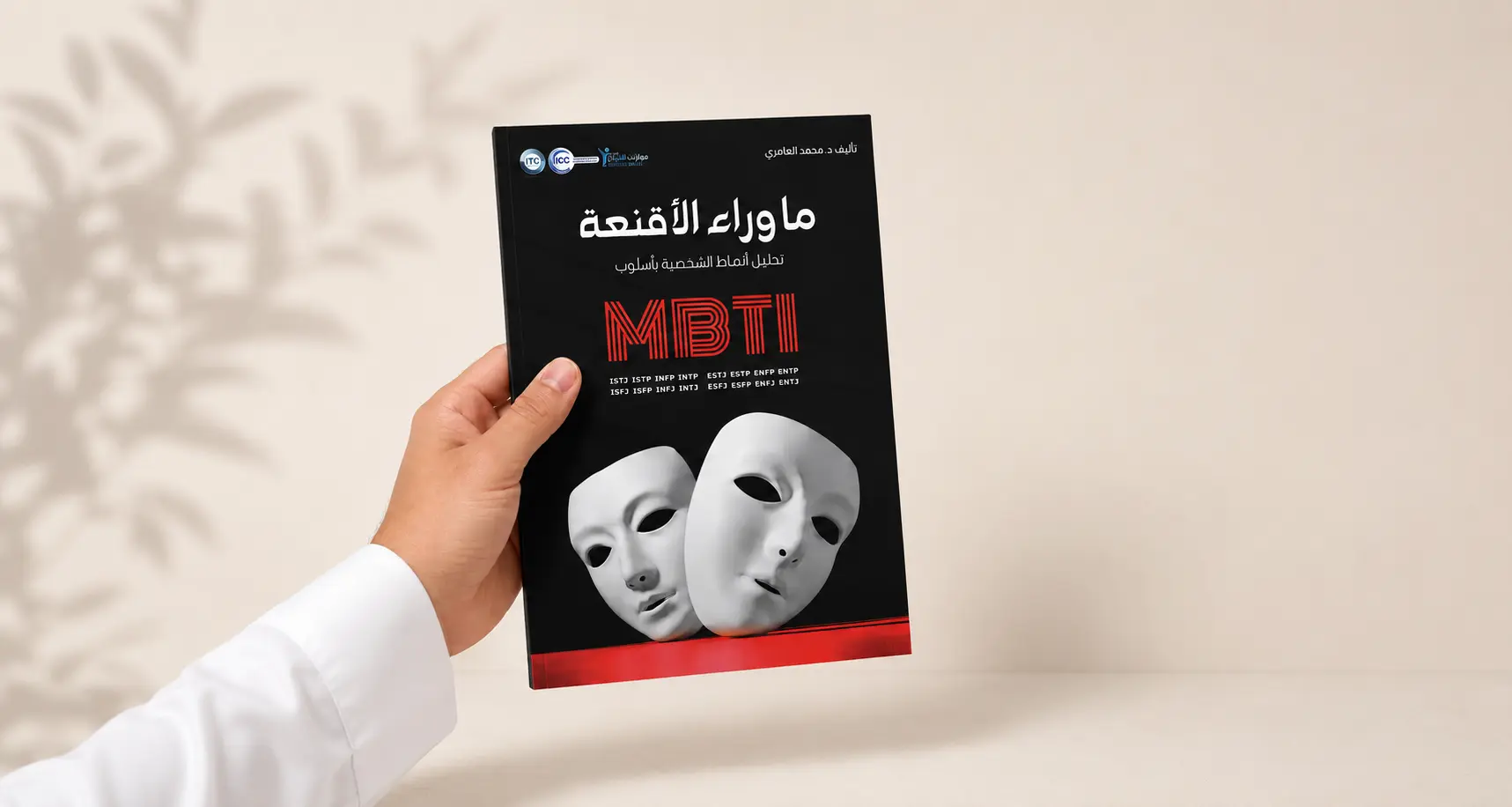
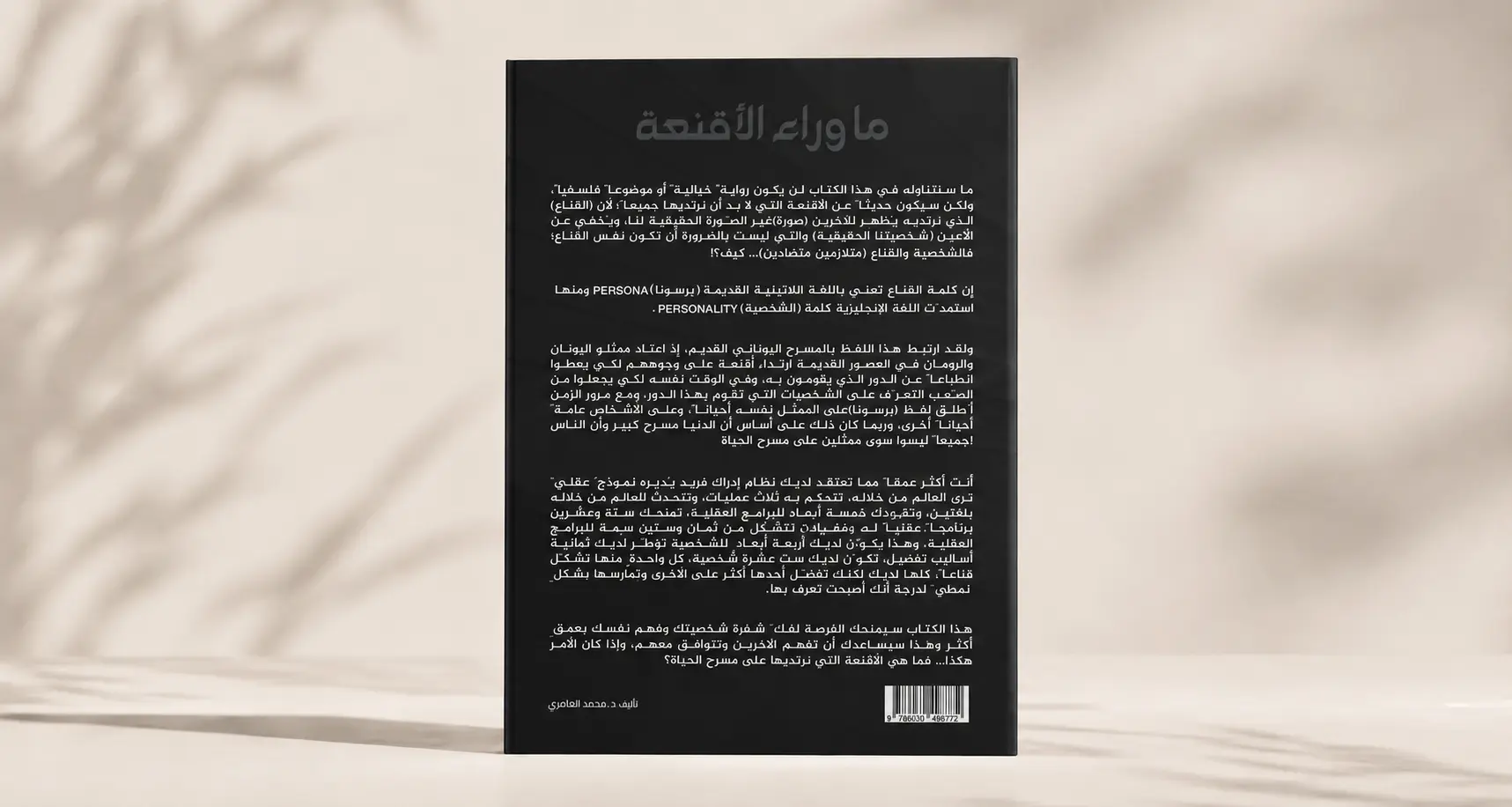
Beyond the Masks Personality Type Analysis Using MBTI
A journey into the depths of the human psyche to better understand yourself and others
A knowledge guide that connects the understanding of personality types with everyday situations in life, work, and learning, helping readers recognize their natural preferences, leverage their strengths, and improve communication, leadership, and relationships.
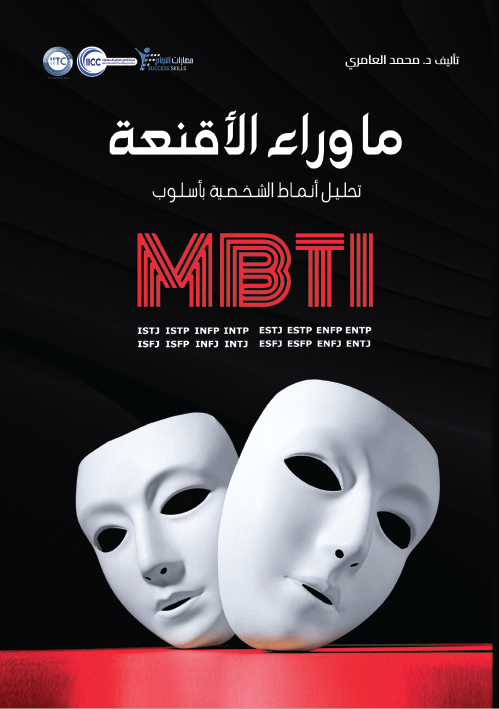
A journey into the depths of the human psyche
“Beyond the Masks: Personality Type Analysis Using MBTI” offers an introduction to self-understanding, recognizing natural differences among people, and improving communication, leadership, and relationships.
The book does not treat personality as a rigid classification. Instead, it connects theoretical knowledge with everyday situations in life, work, and learning, helping readers recognize their natural preferences, leverage their strengths, and develop areas for improvement.
Why “Beyond the Masks”?
The book begins with a question that goes beyond visible behavior to explore the natural preferences and dimensions that influence how people think, feel, and communicate.
Personality and what lies behind the mask
Historically, the concept of personality is linked to the word “persona,” which referred to the theatrical mask. From this idea, the book explores what our personalities reveal and the natural preferences that lie beneath them.
Conscious use of MBTI
Personality types describe natural preferences; they do not reduce a person to four letters, diagnose psychological disorders, or measure intelligence, maturity, or human worth. Rather, they provide a useful language for understanding, dialogue, and development.
What does the book add for leaders and organizations?
Knowledge of personality types becomes valuable when it is translated into practices that respect individual differences and make productive use of diversity in the workplace.
More conscious leadership
Choose approaches to guidance, motivation, follow-up, and delegation according to the needs of people and situations.
More integrated teams
Understand different ways of thinking and working, and distribute roles in ways that strengthen collaboration and make use of diversity.
More effective communication
Adapt language, level of detail, and communication channels to the recipient’s preferences and reduce misunderstandings.
More comprehensive decisions
Understand different ways of gathering information and evaluating alternatives, enriching discussion before decisions are made.
Mature management of differences
Distinguish differences in preferences from behavioral problems and turn diversity into productive dialogue.
Appropriate professional development
Take different learning and response styles into account when designing training and development plans.
A broader understanding of yourself and others
The value of the book does not end on the last page; it is a reference readers can return to as situations and personalities change.
From understanding personality to applied type analysis
The knowledge structure moves from understanding personality and human communication to higher mental programs, and then to the applied analysis of personality types.
Introduction to understanding personality
Personality formation and personal identity, approaches to studying and measuring personality, the human communication model, thinking and language, and communication skills.
Higher mental programs
Programs related to processing, thinking, feelings, emotions, management, choice, and response, as well as motivation, time orientation, and frames of reference.
Personality type analysis using MBTI
The history of the indicator and its four preferences, the sixteen personality types, David Keirsey’s temperament theory, and educational and professional applications.
Book details
Publication details
Cataloging and description
The importance of the book for leaders and business organizations
Dr. Mohammed Al-Ameri discusses the value of understanding personality types in recognizing human diversity, improving communication, building teams, and choosing suitable approaches to guidance, delegation, motivation, and decision-making.
Knowing a personality type is not an end in itself; it is a tool that helps leaders understand people and interact with them consciously, respectfully, and effectively.
Professional experience supporting the journey of understanding and development
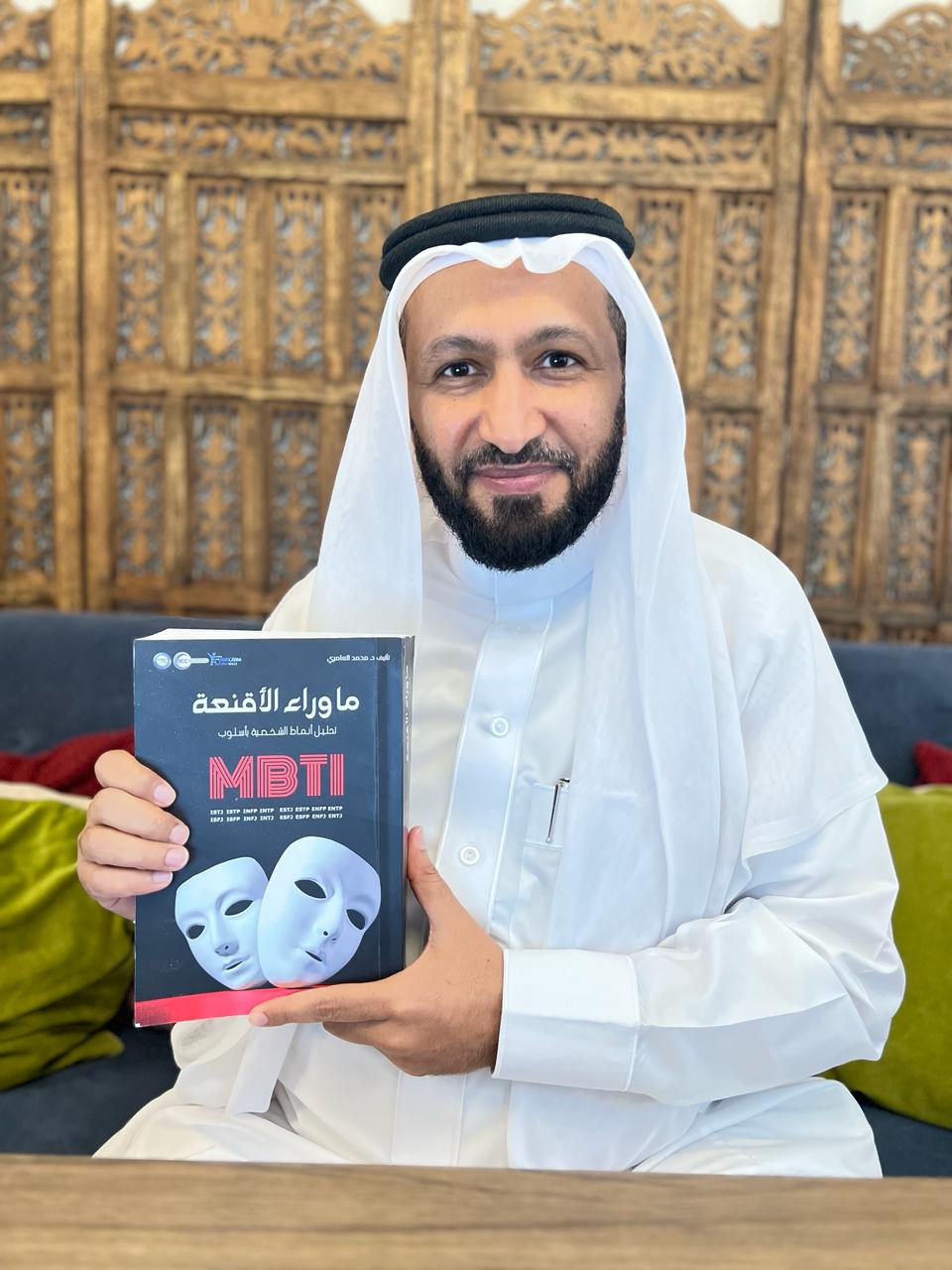
Dr. Mohammed Al-Ameri
Author of “Beyond the Masks”
A trainer and consulting expert with extensive experience in training and administrative, leadership, and educational development. The book extends his interest in understanding human behavior and applying knowledge of personality types to individual development, improved communication, team building, and leadership effectiveness.
Make “Beyond the Masks” a companion on your journey of understanding
The more aware you become of differences, the more balanced your relationships become, and the more mature your ability to understand yourself, understand others, and lead situations.
Add New Comment