
A Professional Knowledge Publication in Legal Work Management

LegalProjectManagement

From scattered files to an organized project

A professional guide that provides a practical framework, tools, and templates to help lawyers, consultants, and legal departments establish a legal project, plan it, monitor it, control the quality of its outputs, and close it in a way that preserves knowledge and improves future work.

Author: Fuaad bin Ahmed PunjabiFirst Edition 1447 AH – 2026LMP
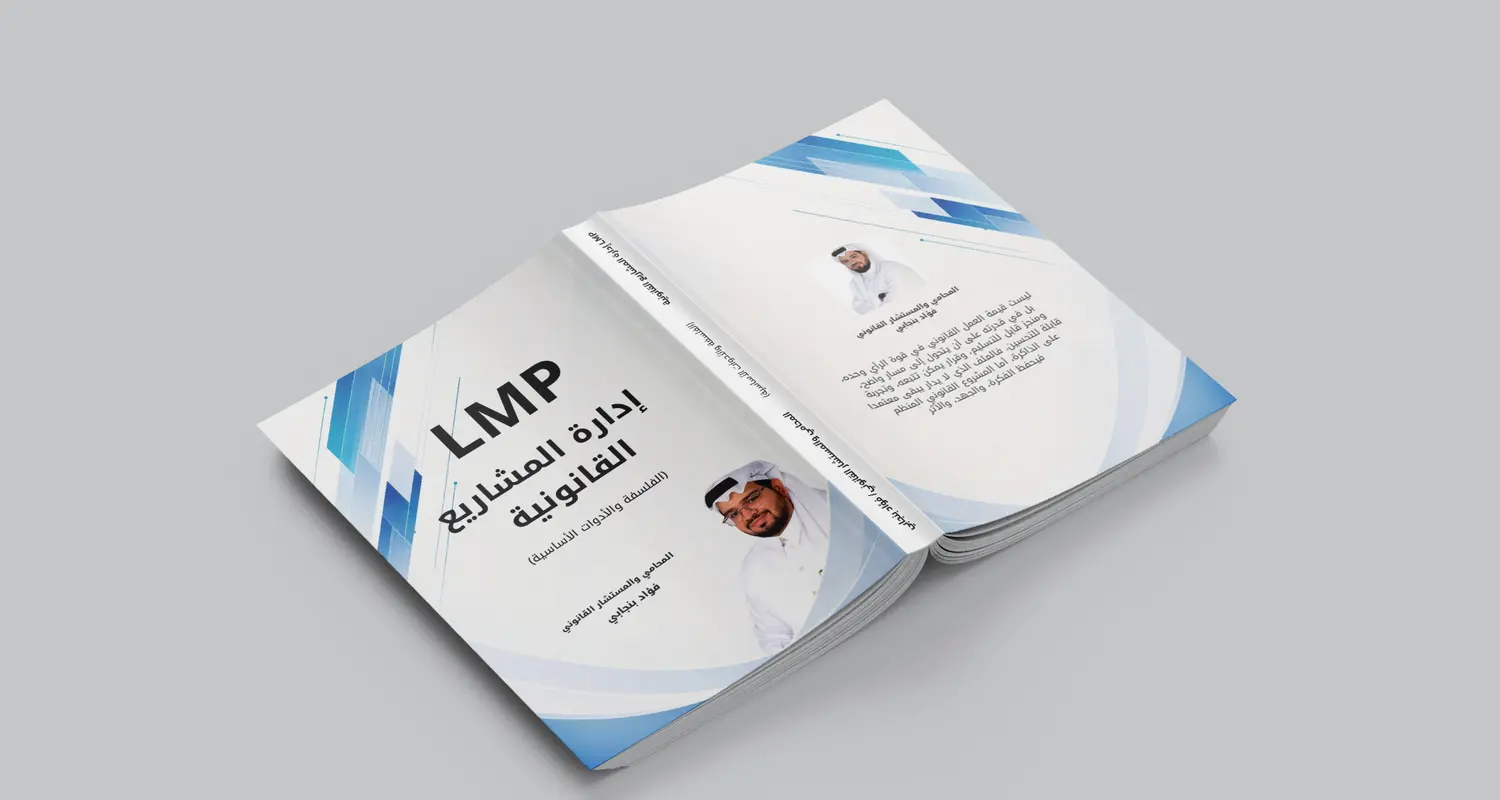
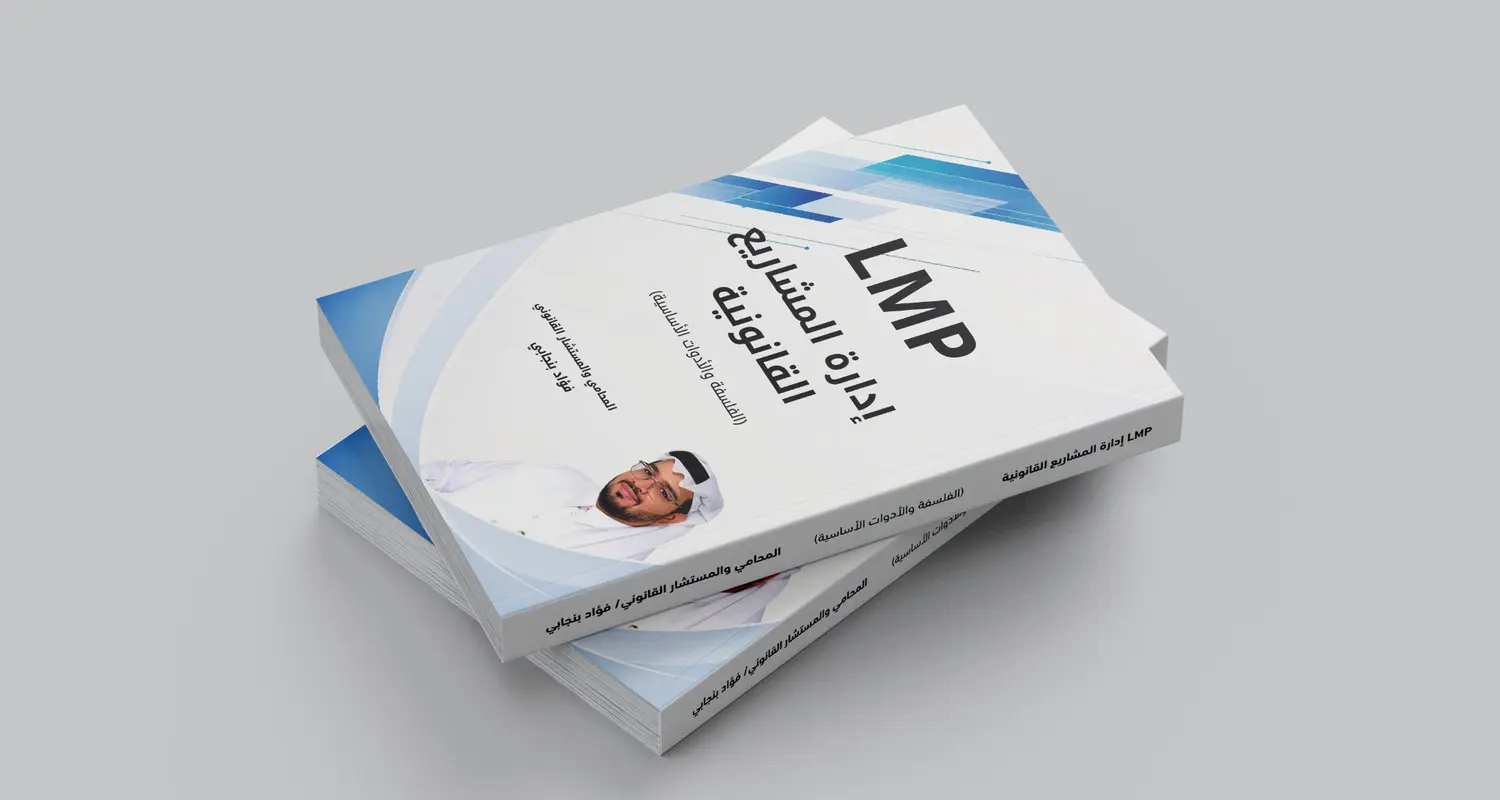
Cover of the book Legal Project Management
65Saudi Riyals
Available through Itqan
7Integrated Parts
38Practical Chapters
21Tools and Templates
263Pages
Core Idea

Complex legal work needs a system that preserves its professional value

The book begins from the premise that many legal matters are no longer isolated tasks ending with an opinion, contract, or memorandum; they have become complex undertakings in which facts, documents, deadlines, parties, risks, decisions, and outputs interact.

When these elements multiply, describing the work as merely a file is no longer enough. It needs an objective, scope, stages, responsibilities, clear outputs, monitoring of deadlines, risks, and decisions, followed by quality review and structured closure.

The book does not turn a lawyer or consultant into a project manager detached from the profession, nor does it impose a heavy administrative layer. Instead, it offers lightweight management that organizes legal judgment, protects it from fragmentation, and makes it delegable, trackable, measurable, and improvable.

From Knowledge to Practice

What does the book add for lawyers and legal departments?

The book turns management concepts into practical legal steps and makes the project visible from initiation to closure without burdening the team with unnecessary procedures.

Clearer Initiation

Understand the client’s story, organize facts, requests, and arguments, and assess whether the project should be accepted before committing to it.

Defined Scope and Outputs

Define the project objective, what is included and excluded from the service, and the outputs that must be prepared and delivered.

Responsibilities That Do Not Get Lost

Identify the decision owner, responsible lawyer, researcher, reviewer, and the persons responsible for communication and documents.

Manageable Risks

Convert regulatory, procedural, evidentiary, financial, and operational risks into a clear register with defined responses.

Documented Follow-up and Decisions

Bring together tasks, deadlines, obstacles, and next actions, while preserving the reasons behind decisions and the alternatives considered before them.

Quality and Professional Closure

Link completion of each output to its review and acceptance, then organize delivery, archiving, client satisfaction, and lessons learned.

Who is this book designed for?

LawyersLegal ConsultantsLegal Department ManagersLaw Firms and Legal CompaniesCompliance and Governance TeamsLegal Researchers and AssistantsProject Managers with a Legal Component
Legal Project Life Cycle

From accepting the work to learning from what was achieved

The book presents an integrated path that transforms a legal project from an idea or file into organized work with a clear beginning and end, defined outputs, responsibilities, and documentable decisions.

01

Initiation

Understand the story, assess acceptance, and define the objective, scope, outputs, and parties.

02

Planning

Define deliverables, workflow, sub-tasks, priorities, risks, and responsibilities.

03

Execution and Follow-up

Monitor progress, deadlines, obstacles, developments, decisions, and changes.

04

Quality Control

Review outputs, define acceptance criteria, measure performance, and address deviations.

05

Closure and Learning

Delivery, archiving, client satisfaction, lessons learned, and follow-up on subsequent impact.

F.R.A.D

From the client’s story to an organized legal picture

An original model designed to transform the client’s account from oral narration or scattered correspondence into organized material that can be understood, analyzed, and directed. It begins with facts, moves to requests and arguments, and ends by referring the completed picture to the party responsible for studying and establishing the legal project.

F

FactsFacts

The events that occurred and led to the legal issue or dispute.

R

RequestsRequests

The objectives or outcomes the client seeks to achieve through the project.

A

ArgumentsArguments

The evidence, proofs, and documents supporting the facts and requests.

D

DirectingDirecting

Transfer the completed picture to the party responsible for study, establishment, and decision-making.

Legal Project Management Tools Project

21 Practical Tools and Templates

The tools are not presented as separate papers, but as an integrated system that begins with understanding the project, then planning, monitoring, and controlling its quality, and ends with closure and learning.

Legal Project Initiation Tools4 Tools

F.R.A.D Client Story Documentation Template

Organizes facts, requests, arguments, and directing before developing the opinion or making an acceptance decision.

Legal Project Acceptance Recommendation Template

Supports the decision to accept, conditionally accept, decline, or request additional information.

Legal Project Description and Charter Template

Defines objective, scope, outputs, parties, timelines, risks, and communication mechanism.

Legal Projects and Files Register

Provides an overview of open projects, their owners, status, priority, and deadlines.

Planning and Execution Tools7 Tools

Legal Project Roles and Responsibilities Matrix

Defines the decision owner and those responsible for execution, review, communication, and documents.

Legal Deliverables Map

Defines what must be produced or delivered, its acceptance standard, owner, and status.

Case or Legal Project Path Map

Shows stages, procedures, requirements, timelines, parties, and decision points.

Legal Work Breakdown Structure

Breaks major deliverables into smaller tasks that can be assigned, executed, and monitored.

Critical Legal Path Analysis

Identifies procedures and deadlines whose delay may cause loss of a right or disrupt the path.

Legal Project Priority Schedule

Ranks tasks according to their legal, time, financial, and operational impact.

Legal Risk Register

Documents the risk, its type, likelihood, impact, level, owner, and proposed response.

Follow-up, Decision, and Quality Tools7 Tools

Unified Follow-up Register

Combines the task, owner, status, deadline, obstacle, next action, and update date.

Legal Decision Tables

Document the decision, alternatives, reasons for preference, risks, decision owner, and expected impact.

Legal Path Scenario Tool

Prepares for optimistic, realistic, conservative, and stalled paths and their fallback plans.

Legal Deliverable Acceptance Template

Documents acceptance of the output, acceptance with comments, or return for revision before approval.

Legal Project Scorecard

Measures project health in terms of time, scope, quality, risks, progress, and communication.

Performance and Accountability Indicators

Turn key performance elements into indicators that support decision-making, improvement, and accountability.

Legal Deliverable Quality Checklist

Reviews facts, documents, legal basis, logic, requests, drafting, and the final version.

Closure and Learning Tools3 Tools

Lessons Learned Register

Documents what worked, what failed, what should have been known earlier, and what should be improved.

Legal Client Satisfaction Template

Measures communication clarity, expectation management, output quality, commitment, and usability of results.

Legal File Closure Template

Documents delivered outputs, archived documents, obligations, lessons, and follow-up recommendations.

Book Contents Map

Seven Parts Moving from Concept to Daily Application

The structure begins with understanding management and the legal project, then explains its life cycle, presents the tools for each stage, and concludes with a methodological guide for monthly, weekly, daily, and post-project management.

01

Foundational Concepts

Management, the project, when legal work becomes a project, and the characteristics of a legal project.

02

Legal Project Life Cycle

Initiation, planning, execution and follow-up, quality control, closure, and post-project work.

03

Legal Project Initiation Tools

Understanding the client’s story, acceptance recommendation, project description and charter, and project and file register.

04

Planning and Execution Tools

Responsibilities, deliverables, path, work breakdown, critical path, priorities, and risks.

05

Follow-up, Decision, and Quality Tools

Follow-up register, decisions, scenarios, deliverable acceptance, performance, indicators, and quality.

06

Closure and Learning Tools

Lessons learned, legal client satisfaction, and professional closure of the file and project.

07

Methodological Guide to Legal Project Management

Initiation stage, monthly start-up, weekly and daily management, monthly closure, project closure, and post-project management.

Publication Information

Book, Publishing, and Cataloging Data

An organized presentation of the core data recorded in the approved edition of the book.

Book TitleLegal Project Management
AuthorFuaad bin Ahmed Punjabi
EditionFirst Edition
Publication Year1447 AH – 2026
Place of PublicationRiyadh, Kingdom of Saudi Arabia
Pages and Size263 pages — 20 cm
International Standard Book Number — ISBN978-603-06-6181-7
Deposit Number1447/18185
LanguageArabic
CopyrightAll rights reserved to the author
Photo of Attorney and Legal Consultant Fuaad Punjabi
Attorney and Legal Consultant Fuaad Punjabi
About the Author

Fuaad bin Ahmed Punjabi

Legal Solutions, Business Protection, and Legal Project Management Consultant — Board Member, Itqan International Consulting Company

A lawyer and legal consultant focused on developing legal practice by connecting legal knowledge with administrative and operational thinking, working in commercial cases and foreign investment.

He is interested in developing legal organizations through quality, governance, and legal project management concepts, contributing to higher operational efficiency and improved quality of professional outputs.

His interest in legal project management arises from observing that many legal matters have become complex projects in which facts, documents, deadlines, parties, risks, and decisions interact. The book therefore develops tools that help move from managing work through individual memory to clearer management that can be planned, monitored, delegated, and improved.

Acquire the Book “Legal Project Management”

For inquiries about book availability and ordering, contact Itqan International Consulting Company. The book is suitable for legal practitioners, legal departments, and organizations seeking to improve the management of their legal work and outputs.

All copyright, publishing, and printing rights are reserved to the author. No part of the book may be copied, published, stored, or transmitted without prior written permission, except to the extent permitted by law.
إصدار معرفي مهني في إدارة العمل القانوني

إدارة المشاريع القانونية

من الملف المتفرق إلى المشروع المنظم

دليل مهني يقدم إطارا عمليا وأدوات ونماذج تساعد المحامين والمستشارين والإدارات القانونية على تأسيس المشروع القانوني، وتخطيطه، ومتابعته، وضبط جودة مخرجاته، وإغلاقه بطريقة تحفظ المعرفة وتحسن العمل اللاحق.
المؤلف: فؤاد بن أحمد بنجابي الطبعة الأولى 1447هـ – 2026م LMP
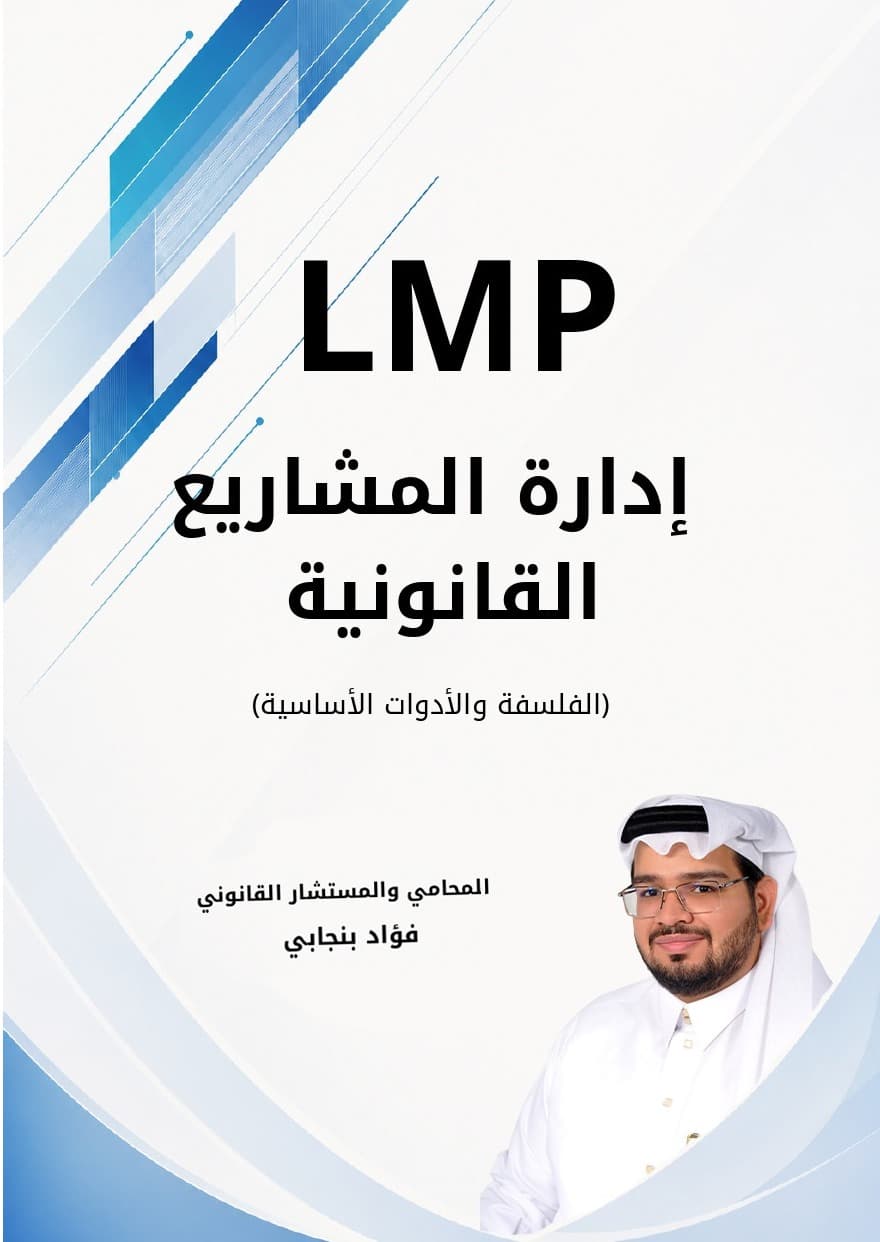
غلاف كتاب إدارة المشاريع القانونية
65 ريالا سعوديا
متاح عبر شركة الإتقان
7 أبواب مترابطة
38 فصلا تطبيقيا
21 أداة ونموذجا
263 صفحة
الفكرة المركزية

العمل القانوني المركب يحتاج إلى نظام يحفظ قيمته المهنية

تنطلق فكرة الكتاب من أن كثيرا من الأعمال القانونية لم تعد مهام منفردة تنتهي بإعداد رأي أو عقد أو مذكرة؛ بل أصبحت أعمالا مركبة تتداخل فيها الوقائع، والمستندات، والمواعيد، والأطراف، والمخاطر، والقرارات، والمخرجات.

وعندما تتعدد هذه العناصر، لا يعود وصف العمل بأنه مجرد ملف كافيا؛ لأنه يحتاج إلى هدف ونطاق ومراحل ومسؤوليات ومخرجات واضحة، وإلى متابعة للمواعيد والمخاطر والقرارات، ثم إلى مراجعة للجودة وإغلاق منظم.

لا يحول الكتاب المحامي أو المستشار إلى مدير مشروعات منفصل عن مهنته، ولا يفرض طبقة إدارية ثقيلة؛ بل يقدم إدارة خفيفة تنظم الاجتهاد القانوني، وتحميه من التشتت، وتجعله قابلا للتفويض والمتابعة والقياس والتحسين.

من المعرفة إلى الممارسة

ماذا يضيف الكتاب إلى المحامي والإدارة القانونية؟

يحول الكتاب المفاهيم الإدارية إلى خطوات قانونية عملية، ويجعل المشروع مرئيا من بدايته حتى إغلاقه دون إغراق الفريق في إجراءات لا يحتاج إليها.

تأسيس أكثر وضوحا

فهم قصة العميل، وترتيب الوقائع والطلبات والحجج، وتقدير ملاءمة قبول المشروع قبل الالتزام به.

نطاق ومخرجات محددة

تحديد هدف المشروع، وما يدخل في الخدمة وما لا يدخل فيها، والمخرجات التي يجب إعدادها وتسليمها.

مسؤوليات لا تضيع

تحديد مالك القرار، والمحامي المسؤول، والباحث، والمراجع، ومسؤول التواصل والمستندات.

مخاطر قابلة للإدارة

تحويل المخاطر النظامية والإجرائية والإثباتية والمالية والتشغيلية إلى سجل واضح واستجابات محددة.

متابعة وقرار موثق

جمع المهام والمواعيد والعوائق والإجراءات القادمة، وحفظ أسباب القرارات والبدائل التي سبقتها.

جودة وإغلاق مهني

ربط اكتمال المخرج بمراجعته وقبوله، ثم تنظيم التسليم والأرشفة ورضا العميل والدروس المستفادة.

لمن صمم هذا الكتاب؟

المحامون المستشارون القانونيون مديرو الإدارات القانونية مكاتب وشركات المحاماة فرق الامتثال والحوكمة الباحثون والمساعدون القانونيون مديرو المشاريع ذات المكون القانوني
دورة حياة المشروع القانوني

من لحظة قبول العمل إلى التعلم مما تحقق

يقدم الكتاب مسارا مترابطا يحول المشروع القانوني من فكرة أو ملف إلى عمل منظم له بداية ونهاية ومخرجات ومسؤوليات وقرارات قابلة للتوثيق.

01

التأسيس

فهم القصة، تقدير القبول، تحديد الهدف والنطاق والمخرجات والأطراف.

02

التخطيط

تحديد المنجزات والمسار والأعمال الفرعية والأولويات والمخاطر والمسؤوليات.

03

التنفيذ والمتابعة

متابعة التقدم والمواعيد والعوائق والمستجدات والقرارات والتغييرات.

04

ضبط الجودة

مراجعة المخرجات، تحديد معايير القبول، قياس الأداء، ومعالجة الانحرافات.

05

الإغلاق والتعلم

التسليم والأرشفة ورضا العميل والدروس المستفادة ومتابعة الأثر اللاحق.

F.R.A.D

من قصة العميل إلى تصور قانوني منظم

نموذج أصيل صمم لتحويل رواية العميل من سرد شفهي أو مراسلات متفرقة إلى مادة منظمة قابلة للفهم والتحليل والتوجيه. يبدأ من الوقائع، ثم ينتقل إلى الطلبات والحجج، وينتهي بإحالة التصور إلى الجهة المختصة بدراسة المشروع القانوني وتأسيسه.

F

الوقائع Facts

الأحداث التي وقعت وأدت إلى نشوء المسألة القانونية أو النزاع.

R

الطلبات Requests

الأهداف أو النتائج التي يسعى العميل إلى تحقيقها من المشروع.

A

الحجج Arguments

البينات والأدلة والمستندات التي تؤيد الوقائع والطلبات.

D

الإحالة Directing

نقل التصور المكتمل إلى الجهة المختصة بالدراسة والتأسيس واتخاذ القرار.

مشروع أدوات إدارة المشاريع القانونية

21 أداة ونموذجا قابلا للتطبيق

لا تقدم الأدوات بوصفها أوراقا مستقلة، بل باعتبارها نظاما مترابطا يبدأ بفهم المشروع، ثم تخطيطه ومتابعته وضبط جودته، وينتهي بإغلاقه والتعلم منه.

أدوات تأسيس المشروع القانوني 4 أدوات

نموذج F.R.A.D لتوثيق قصة العميل

ينظم الوقائع والطلبات والحجج والإحالة قبل بناء الرأي أو اتخاذ قرار القبول.

نموذج توصية قبول المشروع القانوني

يدعم قرار القبول أو القبول المشروط أو الاعتذار أو طلب معلومات إضافية.

نموذج وصف وميثاق المشروع القانوني

يحدد الهدف والنطاق والمخرجات والأطراف والمدد والمخاطر وآلية التواصل.

سجل المشاريع والملفات القانونية

يقدم رؤية عامة للمشاريع المفتوحة ومسؤوليها وحالتها وأولويتها ومواعيدها.

أدوات التخطيط والتنفيذ 7 أدوات

مصفوفة أدوار ومسؤوليات المشروع القانوني

تحدد مالك القرار والمسؤول عن التنفيذ والمراجعة والتواصل والمستندات.

خارطة المنجزات القانونية

تعرف ما الذي يجب إنتاجه أو تسليمه ومعيار قبوله ومسؤوله وحالته.

خارطة مسار القضية أو المشروع القانوني

توضح المراحل والإجراءات والمتطلبات والمدد والأطراف ونقاط القرار.

هيكل تجزئة العمل القانوني

يفكك المنجزات الكبيرة إلى أعمال أصغر قابلة للإسناد والتنفيذ والمتابعة.

تحليل المسار النظامي الحرج

يحدد الإجراءات والمواعيد التي يؤدي تأخرها إلى سقوط حق أو تعطيل المسار.

جدول ترتيب أولويات المشروع القانوني

يرتب المهام بحسب آثارها القانونية والزمنية والمالية والتشغيلية.

سجل المخاطر القانونية

يوثق الخطر ونوعه واحتماله وأثره ومستواه ومسؤوله والاستجابة المقترحة.

أدوات المتابعة والقرارات والجودة 7 أدوات

سجل المتابعة الموحد

يجمع المهمة والمسؤول والحالة والموعد والعائق والإجراء القادم وتاريخ التحديث.

جداول القرارات القانونية

توثق القرار والبدائل وسبب الترجيح والمخاطر وصاحب القرار وأثره المتوقع.

أداة سيناريوهات المسار القانوني

تستعد للمسارات المتفائلة والواقعية والمتحفظة والمتعثرة وخططها البديلة.

نموذج قبول المنجز القانوني

يوثق قبول المخرج أو قبوله مع ملاحظات أو إعادته للتعديل قبل اعتماده.

بطاقة أداء المشروع القانوني

تقيس صحة المشروع من حيث الوقت والنطاق والجودة والمخاطر والتقدم والتواصل.

مؤشرات الأداء والمساءلة

تحول عناصر الأداء المهمة إلى مؤشرات تساعد على القرار والتحسين والمساءلة.

قائمة تحقق جودة المخرج القانوني

تراجع الوقائع والمستندات والأساس النظامي والمنطق والطلبات والصياغة والنسخة النهائية.

أدوات الإغلاق والتعلم 3 أدوات

سجل الدروس المستفادة

يوثق ما نجح وما تعثر وما كان يجب معرفته مبكرا وما ينبغي تحسينه.

نموذج رضا العميل القانوني

يقيس وضوح التواصل وإدارة التوقعات وجودة المخرجات والالتزام وقابلية النتائج للاستخدام.

نموذج إغلاق الملف القانوني

يوثق المخرجات المسلمة والمستندات المؤرشفة والالتزامات والدروس والتوصيات اللاحقة.

خريطة محتويات الكتاب

سبعة أبواب تنتقل من المفهوم إلى التطبيق اليومي

يبدأ البناء بفهم الإدارة والمشروع القانوني، ثم يشرح دورة حياته، ويقدم أدوات كل مرحلة، وينتهي بدليل منهجي للإدارة الشهرية والأسبوعية واليومية وما بعد المشروع.

01

المفاهيم المؤسسة

الإدارة، والمشروع، ومتى يصبح العمل القانوني مشروعا، وخصائص المشروع القانوني.

02

دورة حياة المشروع القانوني

التأسيس، والتخطيط، والتنفيذ والمتابعة، وضبط الجودة، والإغلاق وما بعد المشروع.

03

أدوات تأسيس المشروع القانوني

فهم قصة العميل، وتوصية القبول، ووصف المشروع وميثاقه، وسجل المشاريع والملفات.

04

أدوات التخطيط والتنفيذ

المسؤوليات، والمنجزات، والمسار، وتجزئة العمل، والمسار الحرج، والأولويات، والمخاطر.

05

أدوات المتابعة والقرارات والجودة

سجل المتابعة، والقرارات، والسيناريوهات، وقبول المنجز، والأداء، والمؤشرات، والجودة.

06

أدوات الإغلاق والتعلم

الدروس المستفادة، ورضا العميل القانوني، وإغلاق الملف والمشروع بطريقة مهنية.

07

الدليل المنهجي لإدارة المشروع القانوني

مرحلة البدء، والبدء الشهري، والإدارة الأسبوعية واليومية، والإغلاق الشهري، وإغلاق المشروع، وإدارة ما بعد المشروع.

معلومات الإصدار

بيانات الكتاب والنشر والفهرسة

عرض منظم للبيانات الأساسية المثبتة في النسخة المعتمدة للكتاب.

عنوان الكتاب إدارة المشاريع القانونية
المؤلف فؤاد بن أحمد بنجابي
الطبعة الطبعة الأولى
سنة النشر 1447هـ – 2026م
مكان النشر الرياض، المملكة العربية السعودية
عدد الصفحات والقياس 263 صفحة — 20 سم
الرقم الدولي المعياري للكتاب — ردمك 978-603-06-6181-7
رقم الإيداع 1447/18185
اللغة العربية
حقوق النشر جميع الحقوق محفوظة للمؤلف
صورة المحامي والمستشار القانوني فؤاد بنجابي
المحامي والمستشار القانوني فؤاد بنجابي
عن المؤلف

فؤاد بن أحمد بنجابي

مستشار الحلول القانونية وحماية الأعمال وإدارة المشاريع القانونية — عضو مجلس إدارة شركة الإتقان الدولي للاستشارات

محام ومستشار قانوني يركز على تطوير الممارسة القانونية من خلال الربط بين المعرفة القانونية والتفكير الإداري والتشغيلي، ويعمل في مجالات القضايا التجارية والاستثمار الأجنبي.

يهتم بتطوير المنشآت القانونية عبر مفاهيم الجودة والحوكمة وإدارة المشاريع القانونية، بما يسهم في رفع الكفاءة التشغيلية وتحسين جودة المخرجات المهنية.

ينطلق اهتمامه بإدارة المشاريع القانونية من ملاحظة أن كثيرا من الأعمال القانونية أصبحت مشاريع مركبة تتداخل فيها الوقائع والمستندات والمواعيد والأطراف والمخاطر والقرارات؛ فجاء الكتاب لبناء أدوات تساعد على الانتقال من إدارة العمل بالذاكرة الفردية إلى إدارة أوضح وقابلة للتخطيط والمتابعة والتفويض والتحسين.

اقتناء كتاب «إدارة المشاريع القانونية»

للاستفسار عن توفر الكتاب وآلية الطلب، تواصل مع شركة الإتقان الدولي للاستشارات. الكتاب مناسب للممارسين القانونيين والإدارات القانونية والجهات الراغبة في تطوير إدارة أعمالها ومخرجاتها القانونية.

جميع حقوق التأليف والنشر والطبع محفوظة للمؤلف. يحظر نسخ أو نشر أو تخزين أو نقل أي جزء من الكتاب دون إذن كتابي مسبق، إلا في الحدود التي يجيزها النظام.