 English
 العربية
 中文語言
中文語言
 हिंदी भाषा
 हespañol
 русский
 Português
 Le français
 Deutsch
 ภาษาไทย
 Português
 日本語
日本語


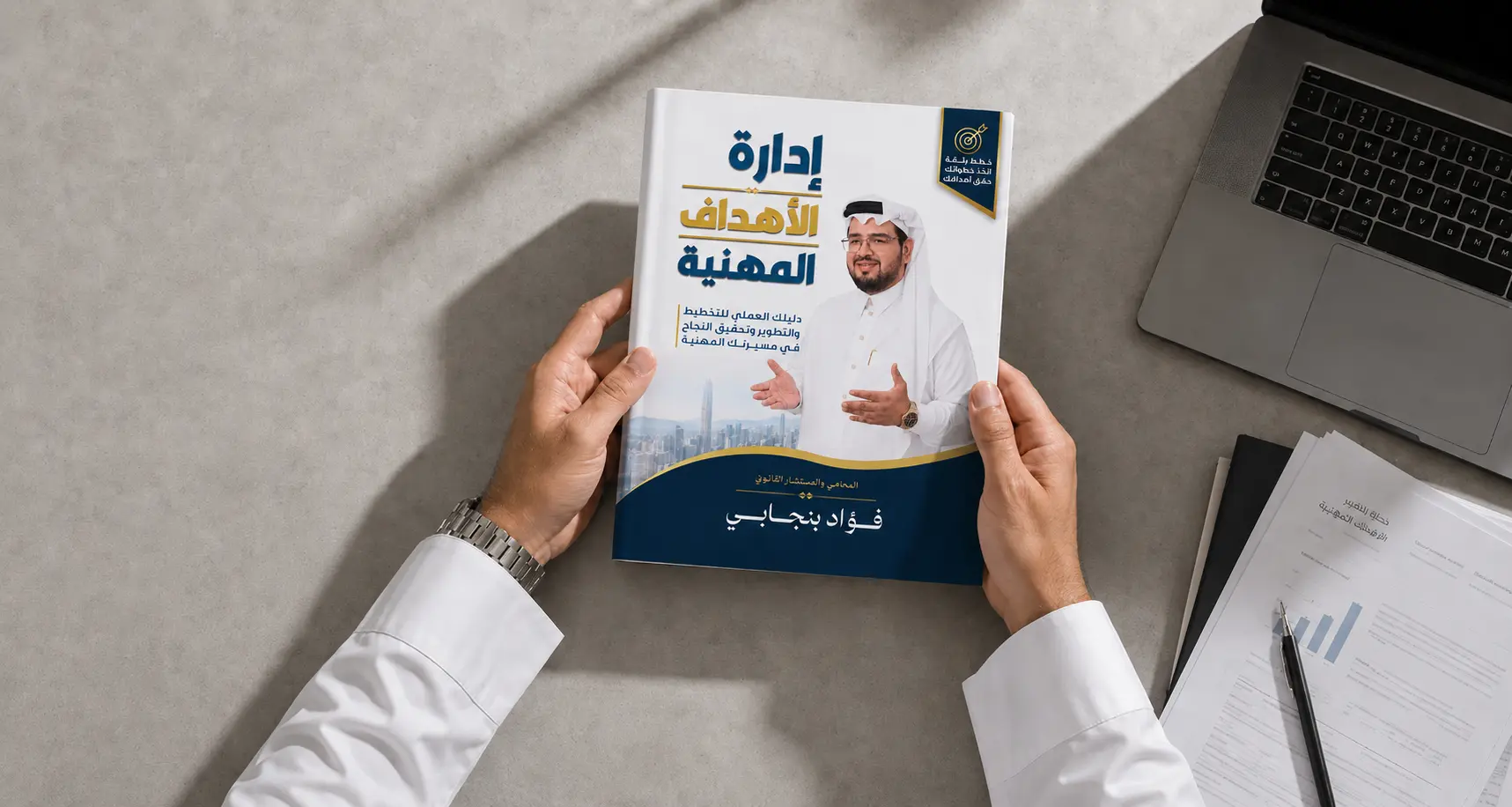
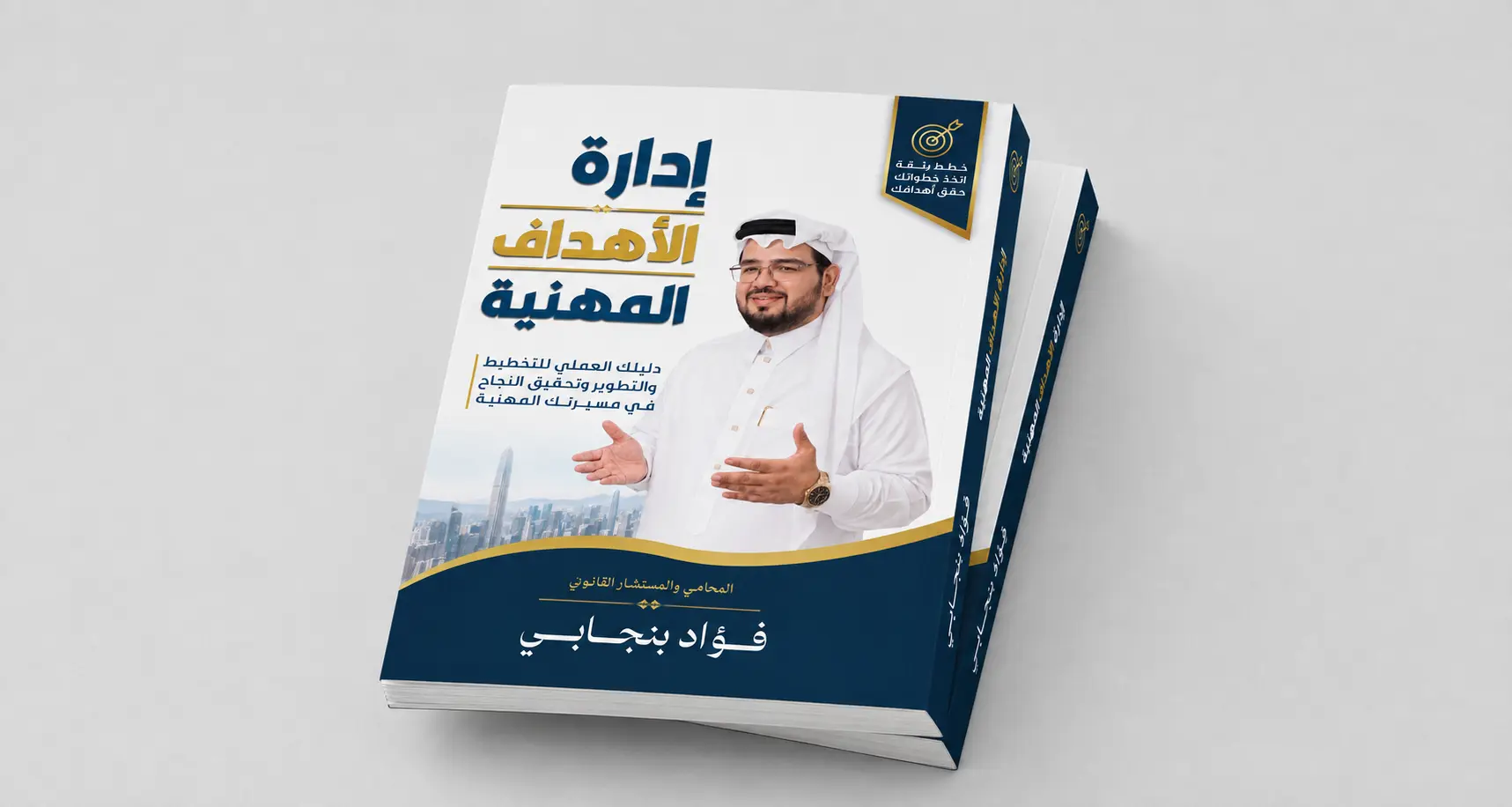
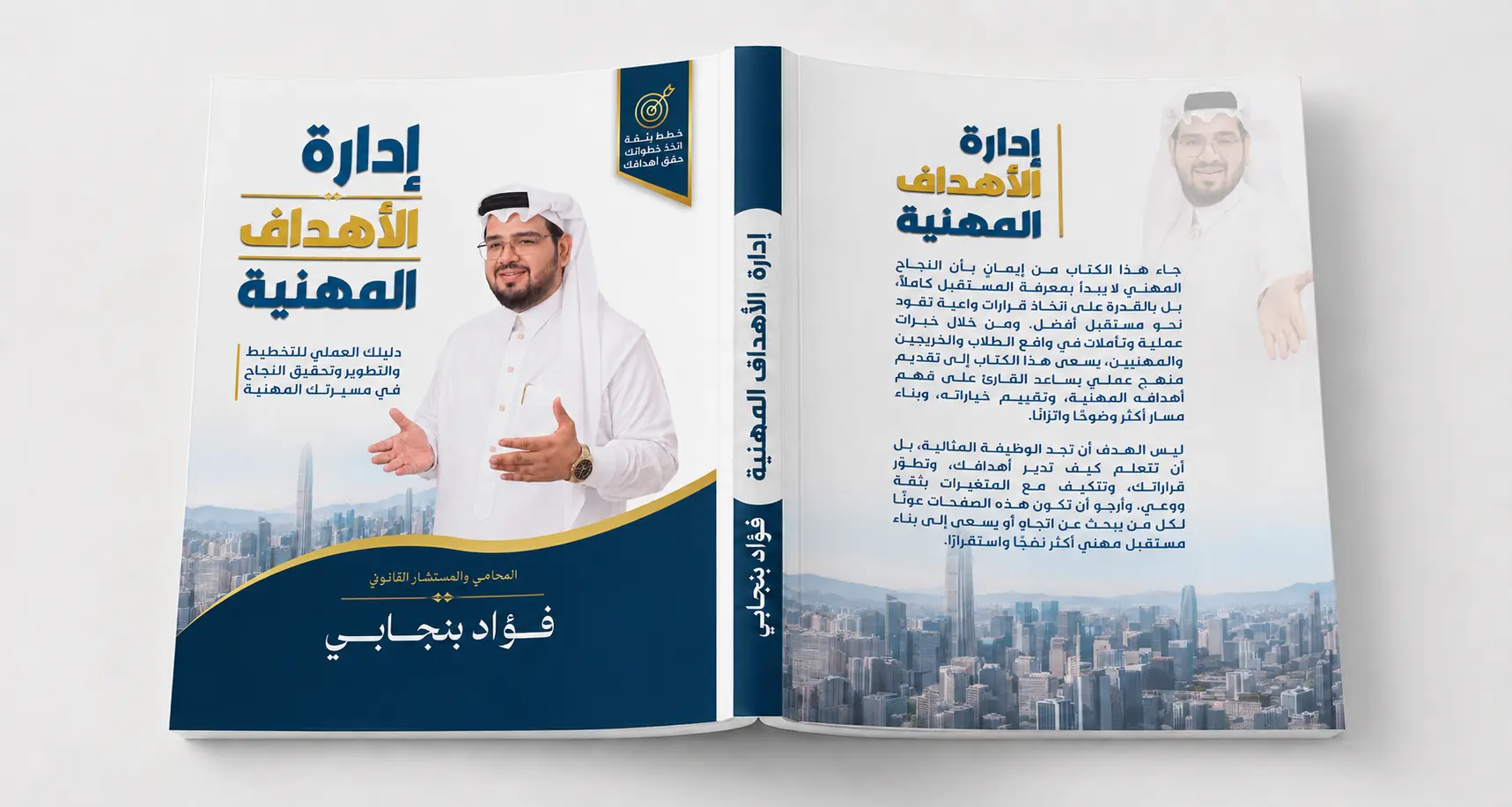
Managing Career GoalsYour practical guide to planning, growth, and career success
From uncertainty and confusion to clearer, more informed career decisions
A practical guide to understanding your career goals, assessing your abilities and options, weighing risks, and creating a plan you can refine and review—without waiting for the “perfect job.”

From career uncertainty to intentional career management
“Managing Career Goals” offers a practical framework for understanding and managing your career path. It starts with a simple idea: success does not require knowing your entire future from the outset, but rather having a clear direction and sound criteria for making decisions.
The book treats a career goal as a flexible guide, not an unchangeable decision. It encourages readers to review their options and recalibrate their goals as their experience grows, their perspective expands, and the world around them changes.
Why “Managing Career Goals”?
For many people beginning their careers, the problem is not a lack of ambition but the absence of a clear way to understand themselves, assess opportunities and risks, and turn their insights into decisions they can revisit and improve.
A job is not a career path
The book distinguishes a job—a temporary stage—from a career path: a series of experiences and decisions that accumulate into a broader long-term direction.
A career goal is not a final decision
Changing a goal does not necessarily mean failure. It may be a natural result of maturity, greater market awareness, or discovering new abilities—as long as the change is thoughtful rather than impulsive.
How can this book improve your career decisions and direction?
The book's value becomes clear when ideas turn into practical criteria for evaluating opportunities, correcting mistakes, and building a realistic career plan that can evolve.
Greater clarity of direction
Distinguish what you truly want from vague ambitions, external pressures, and comparisons with others.
Realistic assessment of your abilities
Understand the skills, experience, and relationships you have—and identify what you still need to develop.
Better opportunity selection
Compare opportunities by the experience, skills, connections, and market insight they offer—not just salary and job title.
More balanced decisions
Assess alternatives and risks before moving, waiting, or changing your career path.
Learn from mistakes
Treat an unsuccessful experience as useful information for reflection and course correction, not the end of your career.
Adaptability for the future
Build career resilience through learning, adaptation, and repositioning as technology, artificial intelligence, and jobs change.
From understanding your goals to making decisions, planning, and adapting to the future
The book begins with essential career concepts, moves into evaluating decisions and opportunities, and then shows how to build a realistic plan. It closes by exploring changes reshaping jobs and career paths in the labor market.
Goals and career paths
The differences between wishes, dreams, and goals; jobs and career paths; short- and long-term objectives; and when changing a goal reflects healthy growth rather than indecision.
Career decisions and planning
Understand what you want, what you have, and what you lack; assess your best available path and its risks; then turn your findings into a practical, reviewable plan for the first year and the following three years.
Career mistakes and the future of work
Waiting for the perfect opportunity, imitation and comparison, excessive focus on titles, learning from experience, and preparing for automation, technology, artificial intelligence, and changing jobs.
Book Facts and Contents
Book Details
Approach and Contents
Professional experience behind the book's central idea
Fouad Punjabi
Author of “Managing Career Goals”
A lawyer and legal consultant, Fouad Punjabi presents a practical framework for understanding career paths, making decisions, and building an adaptable plan. His premise is that knowing your direction and being willing to reassess it matters more than trying to predict the future with certainty.
Let “Managing Career Goals” support you as you shape your career path
You do not need to know your entire future today. You do need a clear direction, better decision-making criteria, and a thoughtful next step that you can review and improve over time.
Add New Comment